10 Benefits of Solid Wood Furniture: Why It’s Worth the Investment
Solid wood earns its price in ways that are easy to name and easy to overstate. Here are ten real benefits, and what each one actually depends on.

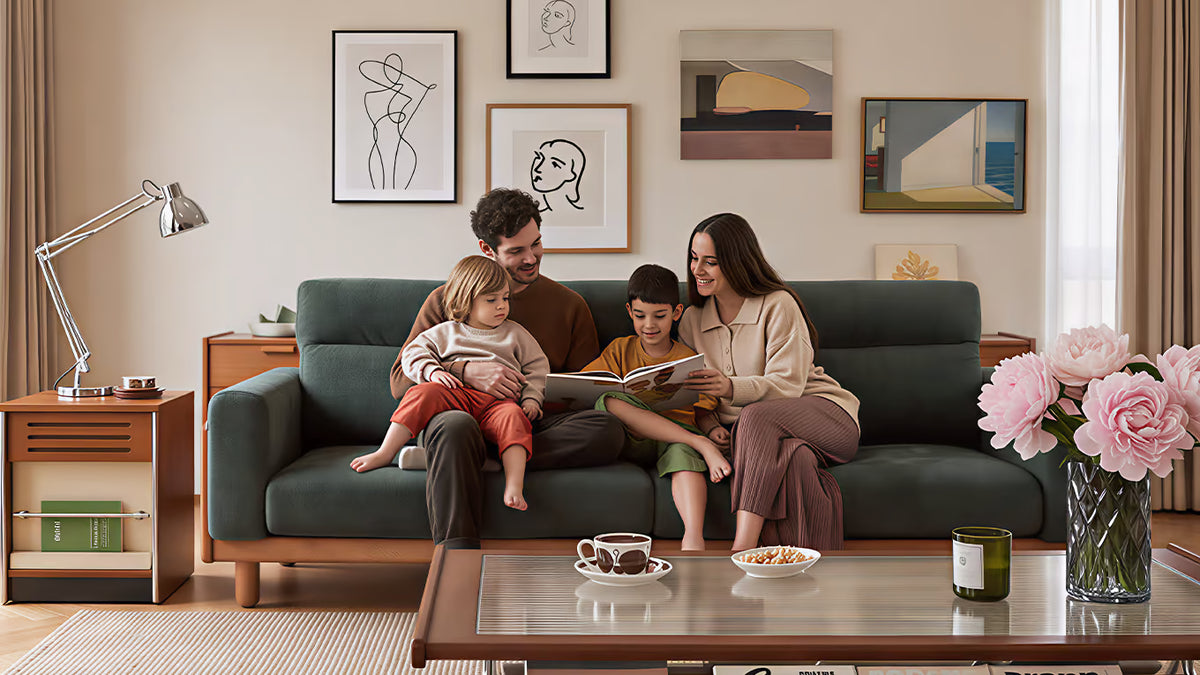
Solid wood furniture has remained a favorite in homes for generations. From classic American interiors to modern mid century spaces, solid wood pieces bring natural beauty, warmth, and lasting value to almost any room. Unlike furniture made primarily from particleboard or other engineered wood products, solid wood furniture is crafted from natural timber, allowing each piece to showcase its unique grain patterns, colors, and character.
Whether you are furnishing a living room, bedroom, dining room, or home office, choosing solid wood furniture can be a worthwhile long term investment. Beyond its appearance, solid wood offers practical advantages that make it an appealing choice for homeowners who value quality, functionality, and timeless design.
Here are 10 key benefits that make solid wood furniture a lasting choice for your home.
1. Natural Beauty and Unique Wood Grain
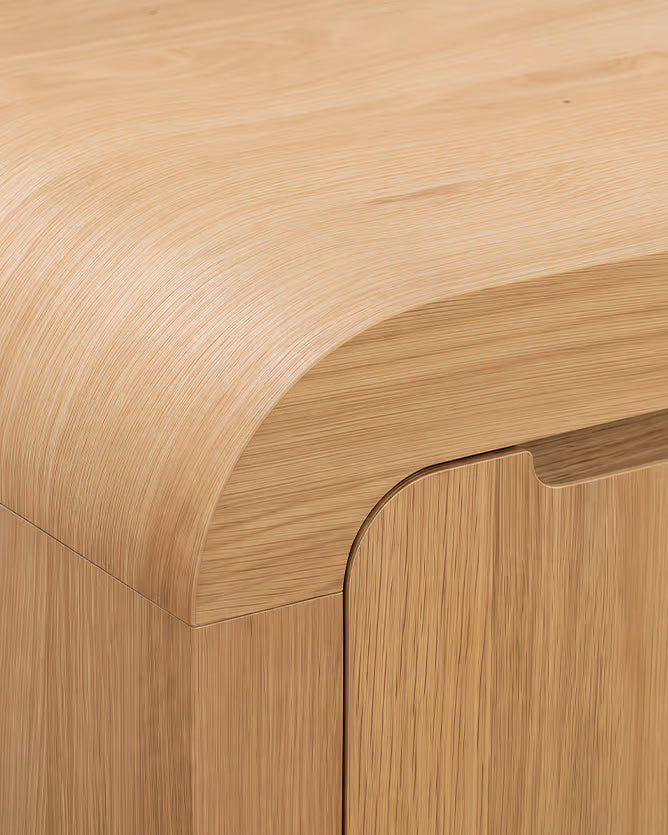
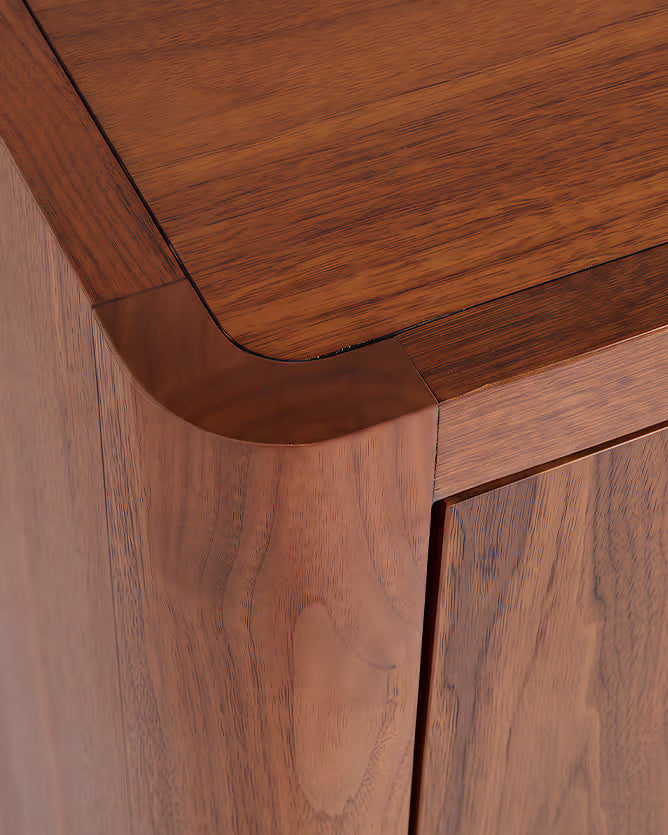
One of the most appealing qualities of solid wood furniture is its natural beauty. Every tree develops its own grain patterns, knots, and color variations, meaning no two pieces of wood are exactly alike. These natural details give solid wood furniture a distinctive appearance that mass produced materials often struggle to replicate.
Different wood species also offer different aesthetics. Oak is known for its prominent grain and versatile character, cherry wood brings warmth and reddish undertones, and walnut features rich, sophisticated brown tones. Depending on the species and finish, solid wood furniture can complement rustic, traditional, contemporary, and mid century modern interiors.
For homeowners who appreciate these natural details, choosing furniture made from carefully selected wood can make a noticeable difference. Brands such as CHUHU offer furniture inspired by the character of natural wood, making it easier to explore different wood tones and designs when creating a warm, inviting living space.
Rather than appearing perfectly uniform, solid wood brings subtle variation and authenticity into your home. These natural characteristics make each furniture piece feel individual and connected to the beauty of nature.
2. Durability for Long Term Use
Durability is another major advantage of solid wood furniture. When properly designed, constructed, and maintained, solid wood tables, chairs, cabinets, and bed frames can withstand years of everyday use.
The strength of a finished piece depends on several factors, including the wood species, board quality, joinery, construction methods, and intended use. Hardwoods such as oak and maple are commonly chosen for furniture that needs to handle frequent contact and regular wear. Other woods, including pine, can also make excellent furniture when appropriately designed and cared for.
Quality construction matters just as much as material selection. Carefully fitted joints, well designed support structures, and suitable finishes help furniture maintain its function over time.
Unlike some lower cost furniture materials that may crack, swell, or become difficult to repair after damage, solid wood can often be maintained and restored. This makes it an appealing option for homeowners who prefer buying well made furniture rather than repeatedly replacing worn out pieces.
3. Timeless Style That Never Goes Out of Fashion
Interior design trends change constantly, but natural wood has maintained its place in home design for centuries. Its organic texture and warm appearance make it adaptable to a wide range of decorating styles. A solid wood dining table can feel traditional when paired with upholstered chairs, contemporary when combined with clean lines, or rustic when finished with a more natural texture. Similarly, a wooden bed frame can anchor a cozy farmhouse bedroom or complement a sophisticated modern space.
Because solid wood is visually versatile, you do not necessarily need to replace your furniture every time you update your home's color palette or décor. Changing the lighting, textiles, wall colors, or accessories can create a fresh look while allowing your existing wood furniture to remain a central part of the room. This adaptability makes solid wood especially appealing to homeowners who want to create a home that feels personal rather than tied to a short lived trend.
4. Easy to Maintain and Repair
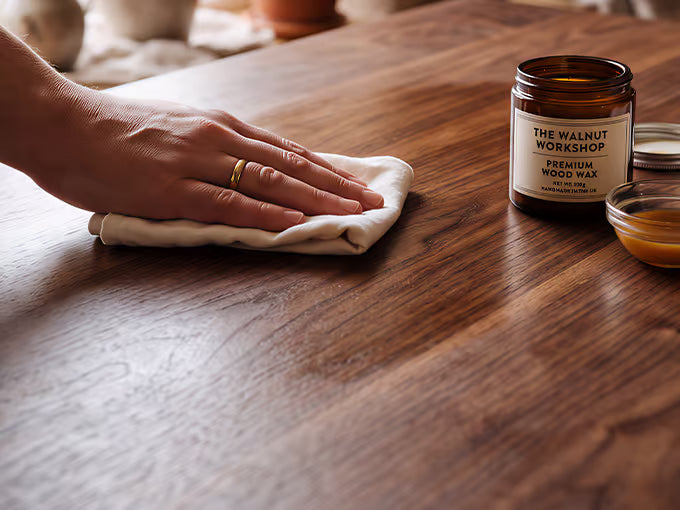
Solid wood furniture does require basic care, but maintaining it is generally straightforward. Regular dusting with a soft cloth, prompt cleanup of spills, and protection from excessive moisture and heat can help preserve its appearance.
One important advantage is that many solid wood surfaces can be repaired or refinished when they develop scratches, minor dents, or signs of wear. Depending on the finish and the extent of the damage, a professional or experienced homeowner may be able to sand, touch up, or refinish the affected area.
This repairability can extend the useful life of a piece and help you preserve furniture with sentimental or financial value. Always follow the manufacturer's care instructions, since oil finishes, lacquer, polyurethane, and other surface treatments require different maintenance methods. With consistent care, solid wood furniture can maintain its appearance and functionality for many years.
5. A More Natural Material for Your Home
For homeowners who appreciate natural materials, solid wood furniture offers a direct connection to the outdoors. Its visible grain, tactile texture, and organic appearance can make a room feel more grounded and inviting. Wood also has a distinctive visual warmth that works well alongside other natural materials, such as linen, wool, leather, stone, and cotton. A solid wood coffee table, for example, can soften a room filled with glass, metal, and other hard surfaces.
Different wood tones can also influence the atmosphere of a room. Light oak often complements bright, airy interiors, while deeper walnut tones can create a more intimate and sophisticated setting. Warm cherry finishes work beautifully in spaces that balance traditional craftsmanship with contemporary design.
It is important to distinguish natural material composition from indoor air quality, however. Solid wood furniture may still use adhesives in certain joints or finishes that release emissions. If indoor air quality is a priority, look for transparent information about finishes, adhesives, and any applicable emissions certifications rather than assuming that every solid wood product is automatically chemical free.
6. Potentially Better Environmental Performance
Solid wood furniture can be an environmentally conscious choice when the wood comes from responsibly managed forests and the product is built to last. Trees absorb carbon as they grow, and some of that carbon remains stored in wood products throughout their useful lives. Furniture that stays in use for many years can make better use of its material resources than furniture that is frequently discarded and replaced.
However, the environmental impact of a piece of furniture depends on more than its primary material. Forest management, transportation, manufacturing, finishes, packaging, and product lifespan all matter. Responsible sourcing certifications, durable construction, and repairable designs can help buyers make more informed decisions. Choosing a well made piece that you intend to keep for years and eventually pass on, resell, or donate can also reduce unnecessary furniture waste.
7. Strong Structural Support
Solid wood is valued for its structural properties, making it a popular material for furniture that needs dependable support. Dining tables, bed frames, desks, and chairs can all benefit from carefully selected timber and well engineered construction.
For example, a properly constructed solid wood bed frame can provide stable support for a mattress, while a solid wood dining table can offer a sturdy surface for daily meals, family gatherings, and entertaining guests. That said, strength is not determined by material alone. Joint design, fasteners, leg placement, board thickness, and overall engineering are equally important. Solid wood furniture should be evaluated as a complete product, not simply by the label on its material description.
When shopping, look for clear product specifications and construction details to ensure the piece is appropriate for your intended use.
8. Develops Character Over Time
One of the unique pleasures of owning solid wood furniture is watching it develop character as the years pass. Natural wood may gradually deepen or change color with exposure to light, while small marks from everyday life can become part of a piece's history.
For many owners, these changes make furniture feel more personal rather than less valuable. A dining table used for family dinners, celebrations, and everyday conversations can become a meaningful part of a home's story. The way wood ages depends on the species, finish, lighting, and care it receives. Some finishes help preserve a consistent appearance, while others allow the wood's natural color and texture to evolve more visibly. With appropriate maintenance, these changes can contribute to the distinctive charm of solid wood furniture and make it feel even more connected to the people who use it.
9. Long Term Value and Repairability
Although solid wood furniture can cost more upfront than some mass produced alternatives, its long term value may be attractive to buyers who prioritize longevity and craftsmanship.
A well made solid wood dining table or dresser may remain functional for decades, reducing the need for frequent replacements. If the surface becomes worn, refinishing may restore its appearance without requiring the entire piece to be discarded.
Solid wood furniture can also retain practical value because it is often easier to repair than furniture made from materials that cannot be sanded or refinished. Certain well crafted pieces may even be passed down through generations.
When comparing furniture, consider more than the initial price. Material quality, construction, finish, maintenance requirements, and the expected lifespan all contribute to overall value. Exploring thoughtfully designed collections, such as those available at CHUHU, can be one way to compare furniture styles and materials while considering what best suits your home and budget.
Resale value is not guaranteed, of course. It depends on the wood species, design, condition, craftsmanship, brand, and market demand. The strongest reason to invest in solid wood furniture is often its combination of daily usefulness, durability, and the ability to maintain it over time.
10. Versatility Across Different Rooms
Solid wood furniture is suitable for almost every area of the home. Its range of colors, finishes, shapes, and construction styles makes it easy to incorporate into different spaces.
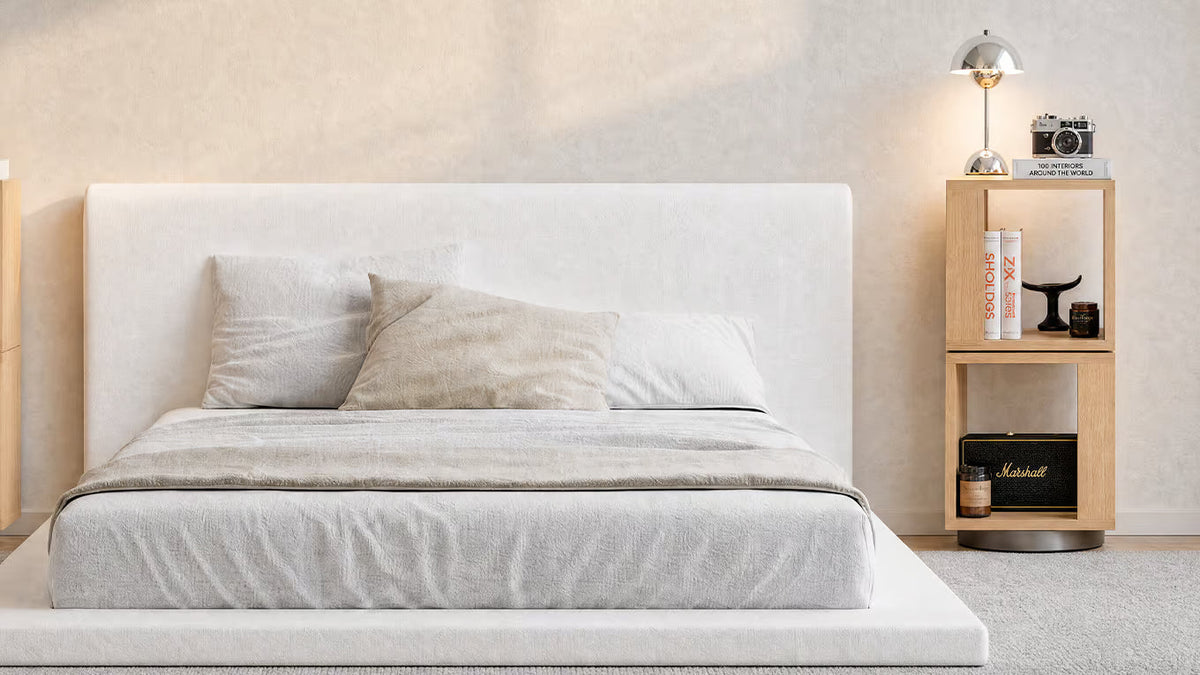
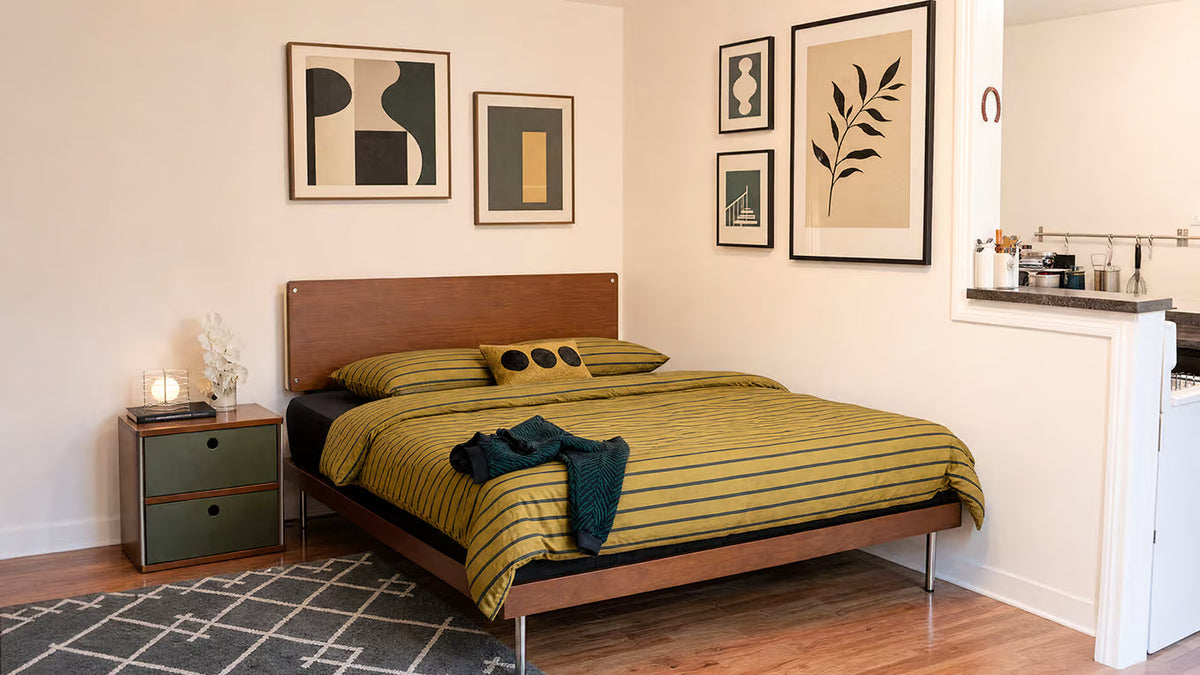
In the living room, a solid wood coffee table or media console can add texture and warmth. In the dining room, a wooden dining table can become the natural focal point for meals and gatherings. In the bedroom, solid wood bed frames, nightstands, and dressers can create a cohesive and comfortable atmosphere.
Wood furniture also works well in home offices, entryways, and reading corners. A solid wood desk can provide a practical workspace, while a small wooden bench can add useful seating and a welcoming touch to an entryway.
Because wood pairs naturally with a variety of materials and colors, you can mix solid wood pieces with metal, glass, upholstery, or stone without losing a sense of visual harmony.
Final Thoughts: Is Solid Wood Furniture Right for You?
Solid wood furniture offers a compelling combination of natural beauty, durability, timeless design, repairability, and long term usefulness. Its distinctive grain patterns bring individuality to your home, while quality construction can help each piece serve you for many years.
The best choice still depends on your budget, lifestyle, design preferences, and intended use. When shopping, pay attention to the specific wood species, construction quality, finish, joinery, and care requirements. It is also worth checking whether a product is made entirely from solid wood or combines solid wood with veneers or engineered wood components.
Ultimately, buying solid wood furniture is about more than choosing a material. It is about selecting pieces that fit your daily life, complement your home, and offer lasting enjoyment. With thoughtful selection and proper care, solid wood furniture can become a practical and beautiful part of your home for years to come.