Full Bed vs. Tatami Bed: Which Sleep Setup Is Right for Your Bedroom?
A full bed is a measurement. A tatami bed is a look. They are not opposites, which is why the better question is how high your bed should sit and whether you want a headboard at all.

Choosing Between a Full Bed and a Tatami Bed
When shopping for a bed, it is easy to focus on mattress size or the look of the frame. But the bed’s height, headboard, visual weight, and relationship to the rest of the room can shape how your bedroom feels every day. Two styles worth comparing are a traditional full-size bed setup and a low-profile tatami-inspired bed. A full bed usually refers to a mattress size, also called a double, measuring approximately 54 inches wide by 75 inches long in the United States. A tatami bed describes a low-profile bed style inspired by Japanese interiors; it may be designed for a standard mattress or for a specific mattress system, depending on the product. These terms are not exact opposites: a tatami-style frame can sometimes be available in full size.
The more useful comparison is between a conventional bed with a more prominent frame or headboard and a low, minimalist platform design. Which is right for you depends on your room, sleep habits, storage needs, and preferred aesthetic. Here is how to compare the advantages and trade-offs before you choose.
What Is a Traditional Full-Size Bed?
A full-size bed is built around a mattress that is generally 54 inches wide and 75 inches long. It is often chosen for a guest room, a smaller primary bedroom, or a single sleeper who wants more room than a twin provides. Two adults can share a full bed, but the sleeping width per person is limited compared with a queen.
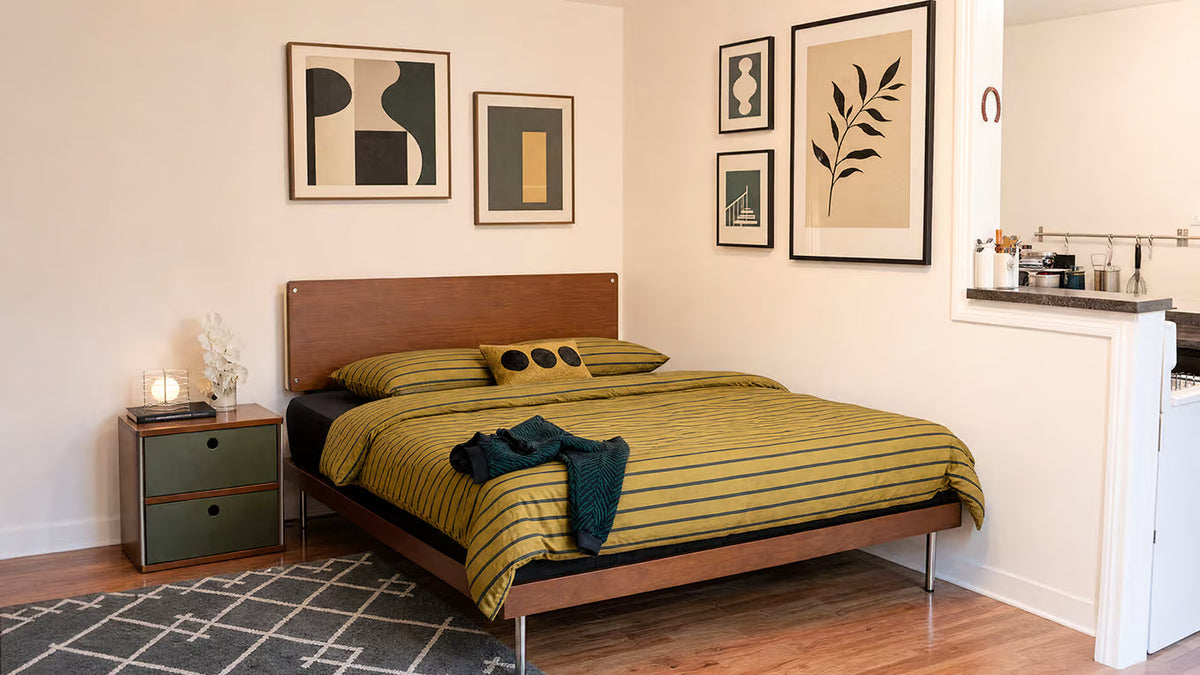
A traditional full bed frame can take many forms: upholstered, solid wood, panel-style, storage-based, or a simple platform. Some designs feature a tall headboard that creates a visual focal point and offers a comfortable surface to lean against while reading. Others keep the frame low and understated. The important point is that “full” describes mattress dimensions, not a specific design. When shopping, check the mattress size the frame is built for, the assembled outer dimensions, and the clearance required around it. The frame itself is usually larger than the mattress, and a substantial headboard can add visual height even when the footprint is compact.
What Is a Tatami-Style Bed?
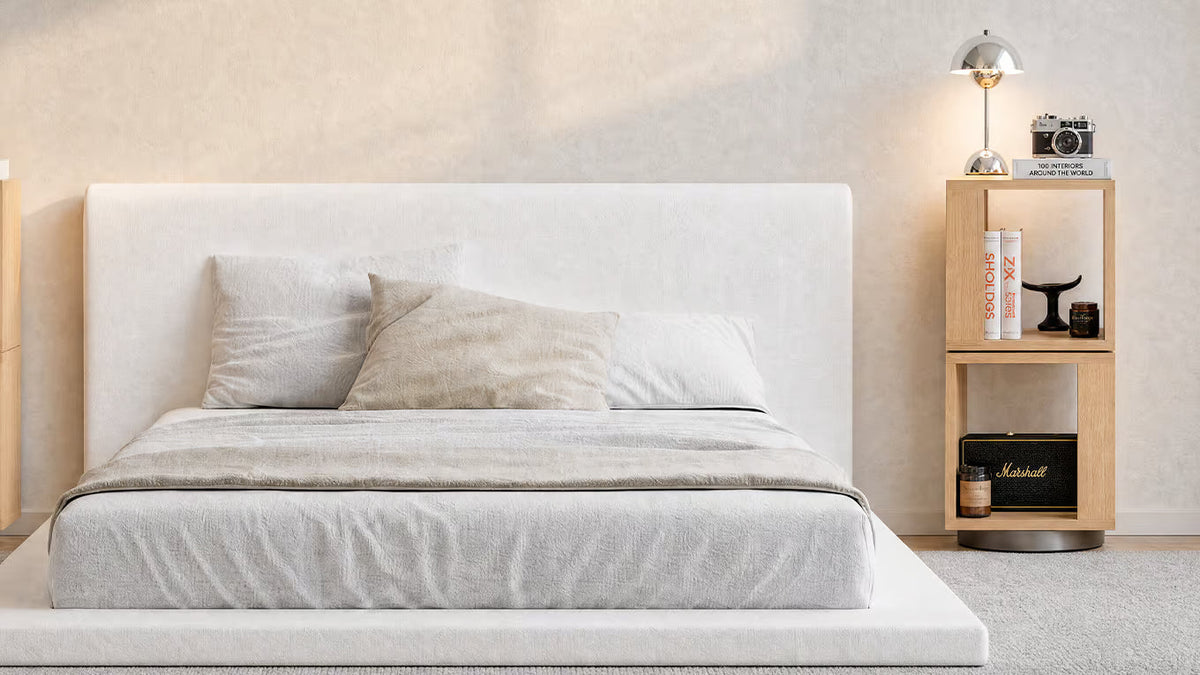
A tatami-style bed generally sits closer to the floor than a conventional bed and emphasizes simple lines, a grounded silhouette, and a calm, uncluttered look. The design is often associated with Japanese-inspired, minimalist, and Japandi interiors, where natural materials and open space are part of the aesthetic.
Not every low bed is a traditional Japanese tatami bed. Some contemporary products are low platform frames designed for regular mattresses; others are intended for tatami mats or specific futon-style bedding. Always check the product specifications to make sure the frame and mattress are compatible.
A low-profile design can make a room feel visually open because less of the frame rises above the mattress. It can also suit rooms with low windows or artwork where a tall headboard would compete for attention. On the other hand, a low bed may be harder to get in and out of for some people, and the available under-bed clearance may be limited. Those everyday details matter as much as the look.
Pros of a Traditional Full Bed
1). A familiar, versatile format. Full-size mattresses are widely recognized in the U.S. market, and shoppers can compare a broad range of mattress types and bedding options. Just confirm the exact dimensions before ordering sheets or a mattress.
2). A headboard can add comfort and structure. A bed with a headboard creates a clear visual anchor for the room. An upholstered headboard may provide a softer surface for sitting up to read, while a wood headboard can add warmth and character. A headboard can also help make the bed feel more finished without requiring extra wall décor.
3). More opportunities for built-in function. Depending on the design, conventional bed frames may offer drawers, lift-up storage, shelves, or other useful features. These can be valuable in smaller bedrooms where closet space is limited.
4). Easier access for some sleepers. A higher mattress surface may be more comfortable to sit down on and stand up from than a very low frame. The ideal height depends on the frame, mattress thickness, and the person using it.
Potential drawbacks: A large or tall headboard can make a compact room feel more crowded, and a frame with storage or a substantial structure may be heavier to move. A full mattress also provides less width than a queen, particularly for couples who prefer more personal sleeping space.
Pros of a Tatami-Style Low-Profile Bed
1). A calmer, more open visual effect. A low frame keeps the bed close to the floor and can help a room feel less dominated by furniture. This works especially well with restrained color palettes, natural wood tones, textured bedding, and uncluttered décor.
2). A good fit for minimalist and Japandi interiors. The simple profile of a tatami-inspired bed pairs naturally with clean-lined nightstands, warm lighting, linen bedding, and carefully chosen accessories. It can create a serene bedroom without relying on a tall decorative headboard.
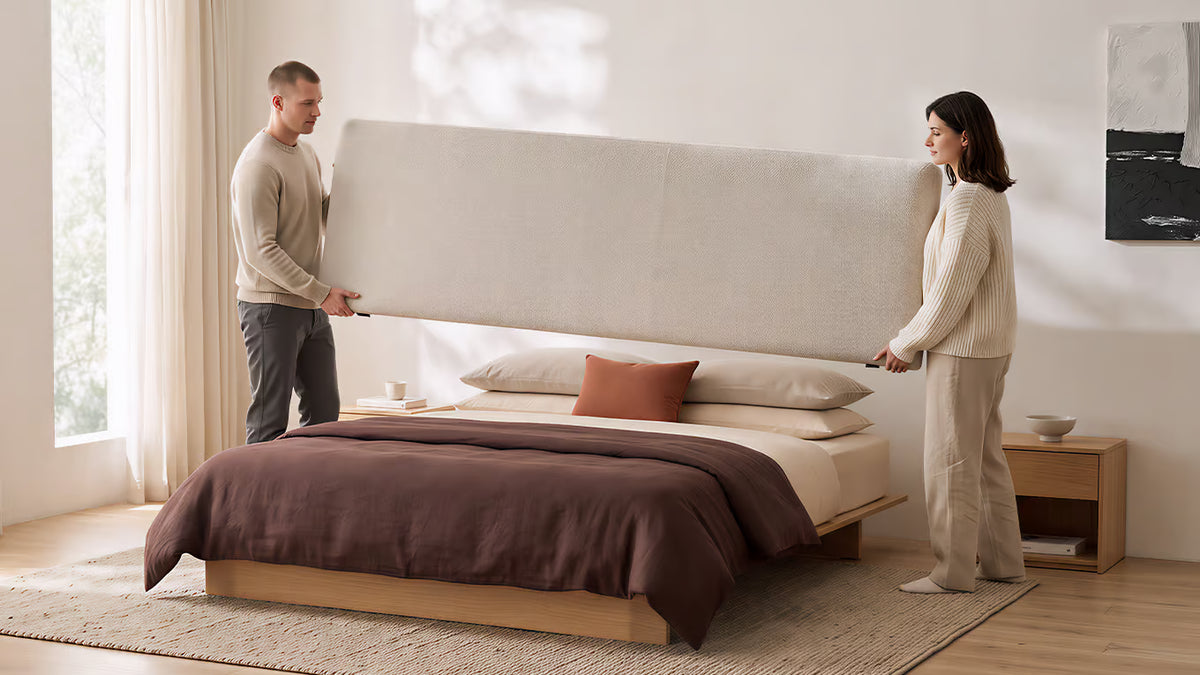
3). Flexible styling. A low bed can work beneath low windows or artwork and may suit spaces where a high headboard would block a view or compete with the architecture. Some designs include a removable headboard, letting shoppers choose between a more supported, finished look and a headboard-free floor-bed aesthetic.
4). Less visual bulk. If your goal is to make the bedroom feel lighter, a low platform can be a useful design choice. It does not automatically make the room physically larger, but it can reduce the visual weight of the bed.
Potential drawbacks: Getting up from a low sleeping surface may be less comfortable for some people. Under-bed storage is often limited, and the floor-level appearance requires careful attention to cleaning and ventilation. Follow the frame and mattress maker’s instructions, and avoid placing a mattress directly on a floor or surface not intended for it.
Headboard or No Headboard? Consider How You Use Your Bed
A headboard is not just a decorative detail. It can provide a backrest for reading, visually frame the bed, and help establish the style of the room. A taller upholstered headboard can make a bedroom feel plush and complete; a wood headboard can bring a more architectural, mid-century, or natural character.
A headboard-free tatami-style bed has a different appeal. It keeps the outline simple and can make the room feel more understated. But if you regularly sit up in bed, you may miss having a supportive surface behind your pillows. You can add wall-mounted cushions or pillows, though these will not necessarily feel the same as a purpose-built headboard.
If you like both options, look for a design that offers a removable headboard. CHUHU’s Wente Floating Bed Frame is listed as a Japanese low-profile bed with a removable upholstered headboard or a headboardless floor-bed option. That makes it a relevant option to explore if you want a low silhouette without committing to one look forever. Confirm the current listing for available sizes, configuration details, and mattress compatibility before purchasing.
Which Bed Works Better in a Small Bedroom?
In a small room, measure the complete bed frame, not just the mattress, and map out how much space remains for walking, opening closet doors, and using nightstands. A full-size mattress can be a practical choice when a queen would leave too little circulation space. However, the frame’s outer dimensions and headboard depth can change the final fit.
A low-profile tatami-style bed can feel visually lighter, particularly when paired with compact bedside tables and bedding in soft, coordinated tones. But low height does not necessarily mean a smaller footprint: the frame still needs enough floor space for the mattress and structure.
Think about storage as well. If your bedroom lacks closet space, a bed with drawers or lift-up storage may be more useful than a minimalist frame with little clearance underneath. If you already have sufficient storage and prefer an airy, calm look, a low platform may be the better stylistic choice. A quick room plan can help: measure the room, mark the bed footprint, and leave practical clearance on the sides you use. Include space for doors and drawers to open. The best bed is the one that fits your routine as well as your floor plan.
How to Choose Based on Your Sleep and Lifestyle
Choose a conventional full bed frame with a headboard if you value a familiar setup, like to sit up and read, want a strong focal point, or need storage features that a particular frame offers. This can be a good route for guest rooms and smaller bedrooms where you want the bed to feel finished and functional.
Consider a tatami-inspired low bed if you prefer minimalist design, want to keep the visual profile close to the floor, and do not need much under-bed storage. It may be especially appealing in a bedroom built around natural textures, low furniture, and a quiet palette. Neither style is inherently more comfortable. Comfort depends on the mattress, support system, bed height, and individual needs. If possible, consider how easy it will be to sit down, stand up, change sheets, clean around the frame, and move the bed if your room layout changes. Finally, check practical details before you buy: the supported mattress size, frame dimensions, slat or platform design, weight limits, assembly requirements, headboard options, and care instructions. A beautiful bed should also work well in everyday life.
CHUHU Beds to Explore: Wente and Headboard Styles
If you are drawn to a low-profile, Japanese-inspired look, start with the Wente Floating Bed Frame. CHUHU lists Wente as a Japanese low-profile bed with a removable upholstered headboard or a headboardless floor-bed option. It is a useful choice to compare if you want to keep the bedroom visually grounded while retaining the option of a headboard. Check the live product page for the currently offered configurations, mattress sizes, and availability.
If you prefer a more traditional bedroom silhouette, CHUHU’s bed collection also lists several headboard-focused designs. The Solid Wood Bed Frame with Adjustable Headboard and Metal Legs is worth reviewing if you like a wood-forward frame and an adjustable headboard. The Genuine Leather Bed Frame with Headboard Shelf offers a different direction for shoppers interested in an upholstered, mid-century-inspired look and a headboard with a shelf. For those prioritizing concealed storage, the Solid Wood Lift Up Storage Bed Frame with Headboard is another option to compare.
Create a Bedroom That Feels Like You
Your bed sets the tone for the entire bedroom. Whether you prefer the defined presence of a headboard or the understated simplicity of a tatami-inspired platform, focus on a frame that suits your space, supports your daily habits, and feels consistent with the atmosphere you want to create.
A full-size bed can offer a practical balance of footprint and sleeping space, while a low-profile bed can bring a relaxed, grounded feeling to the room. The right choice is not about one style being universally better; it is about finding the balance of comfort, function, and design that works for you.
Explore CHUHU’s bed collection to compare the Wente Floating Bed Frame with headboard and headboard-free configurations, alongside wood, leather, and storage-focused bed designs. Choose thoughtfully, measure carefully, and build a bedroom that feels considered from the frame up.