Modular Cabinets vs. One Large Cabinet: Which Is Right for Your Home?
Rooms change. Collections grow. A cabinet bought for one layout can end up in the way. Here is how modular storage compares with one large cabinet, and when each one actually wins.

Furniture Should Work for the Way You Live
Choosing a cabinet is about more than filling an empty wall. The right storage furniture should suit your home today and continue to make sense as your routines, rooms, and priorities change. That is why many shoppers compare modular cabinets with one large, fixed cabinet before making a purchase. A single large cabinet can be a practical choice: it creates a unified look and keeps a lot of storage in one place. But it also commits you to one footprint and one arrangement. Modular cabinets take a more flexible approach. Individual pieces can be grouped together, separated, or combined with compatible units to suit different rooms and needs.
If you are furnishing a home you expect to evolve over time, modular storage furniture is worth considering. Here is how the two options compare and what to look for before you buy.
1. Flexible Layouts for Real Homes
A large cabinet is designed around a specific width, height, and configuration. Once it is in your room, those dimensions can limit where it fits. It may work beautifully on one wall but feel too imposing after you move furniture around or give the room a new purpose.
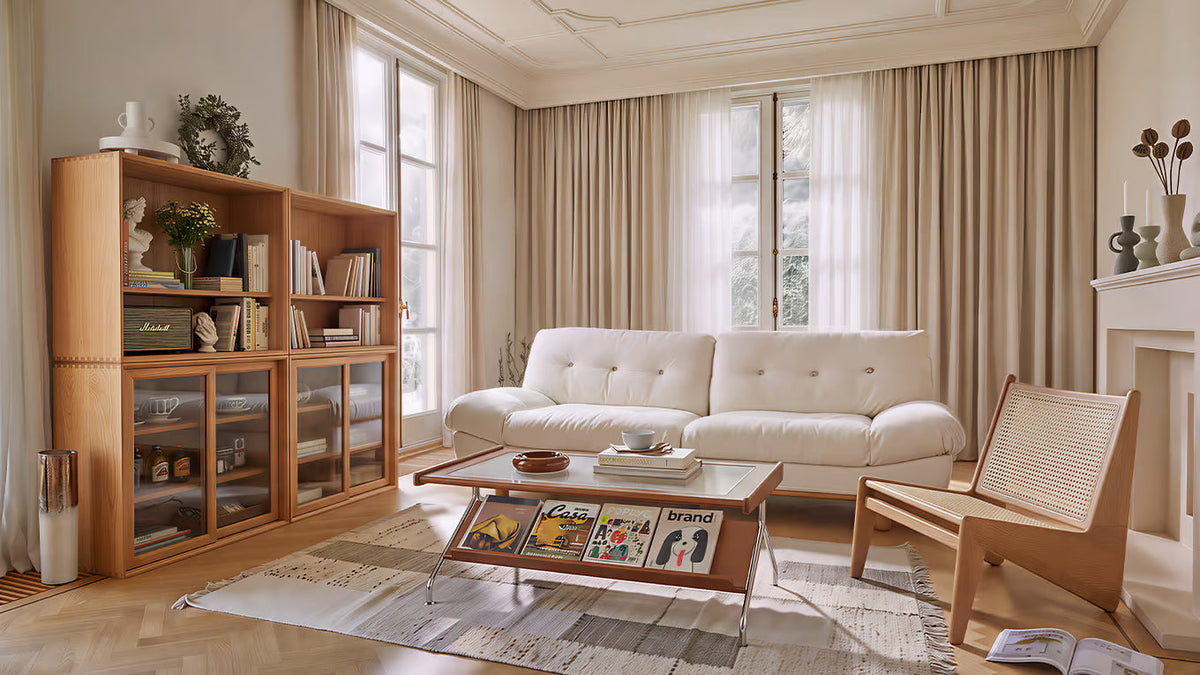
Modular cabinets give you more ways to arrange your space. Depending on the product design, individual units may sit together as a wider storage wall or be placed in separate areas. You could create a low arrangement in the living room, use a smaller unit in a home office, or position compatible pieces along a dining-room wall. That flexibility can be especially useful in apartments, open-plan homes, and rooms that serve more than one purpose. Instead of forcing your layout to fit one oversized object, you can choose a configuration that works with the room.
Before buying, check whether the modules are designed to connect, stack, or stand independently. Not every modular product supports every arrangement, so always follow the manufacturer’s instructions and confirm compatibility.
2. Storage That Can Change With Your Needs
Storage needs rarely stay the same forever. A book collection grows, a hobby takes over a corner, or a dining area starts doing double duty as a work space. A fixed cabinet may have plenty of capacity, but its internal layout and overall size can be difficult to adapt.
A modular cabinet system can make it easier to start with what you need and build a more considered setup over time. Open shelves can display books and objects you love, while drawers or closed compartments can keep everyday clutter out of sight. Separate units may also help you divide storage by purpose instead of putting everything in one place. Think about what you actually plan to store before choosing a configuration. Books and records have different dimensions from dinnerware, linens, or media equipment. Measure larger items, consider shelf height and depth, and decide how much open versus concealed storage you prefer. The goal is not to buy the most pieces. It is to create a storage solution that fits your habits without taking over the room.

3. Easier to Reposition and Potentially Easier to Move
A large, heavy cabinet can be awkward to move through doorways, staircases, and tight hallways. It may require extra planning or professional help, especially if it is one solid piece. Moving can also reveal a simple problem: the cabinet that fit perfectly in your old home may not suit the layout of your new one.
Smaller modular units can be more manageable to transport and reposition, depending on their construction and weight. You may be able to use one unit in a new room while keeping the others together elsewhere. That can give you more options when you relocate, renovate, or simply want a fresh arrangement.
Still, modular does not automatically mean lightweight or easy to move. Check each unit’s weight, assembly method, and handling guidance. For tall or stackable furniture, follow the anchoring and anti-tip instructions carefully, particularly in homes with children or pets. The benefit is choice: a system made from separate pieces may give you more ways to plan around a new space than one oversized cabinet can.
4. Make the Room Feel Personal, Not Overfilled
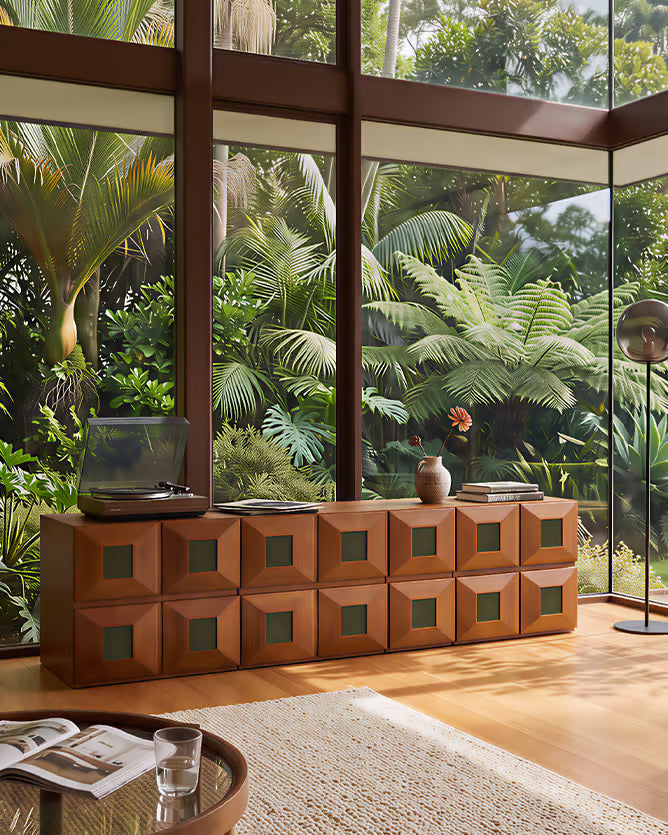
A single large cabinet can create a strong visual anchor, but its scale may dominate a smaller room. Modular pieces can give you more control over proportion. Group several units for a clean, cohesive look, or use individual pieces to balance storage with open wall space. This can work well with mid-century modern and warm, natural interiors, where wood tones, negative space, and a thoughtful mix of objects help a room feel inviting. A low cabinet can sit beneath artwork or a television; a bookcase can become a reading-corner feature; a compact storage unit can complement a desk without overwhelming it.
A coordinated collection can help separate pieces feel intentional. Look for consistent finishes, complementary proportions, and details that suit the furniture you already own. You do not need every piece in a room to match exactly. The aim is a space that feels connected while still reflecting your own taste. Modular furniture is especially appealing if you like to rearrange décor or let a room develop gradually instead of committing to one fixed arrangement from day one.

5. Compare Long-Term Value, Not Just the Price Tag
The best value is not always the lowest initial price. It is the combination of quality, usefulness, durability, and how well a piece continues to suit your life. A single large cabinet may be the right investment if you need substantial storage in one permanent location and love its exact design. A modular system may offer more options if you anticipate changing rooms, expanding storage, or reusing separate pieces in different ways.
To compare fairly, look at material quality, joinery, finish, hardware, weight capacity, care requirements, and warranty terms. Ask whether additional modules are available and whether they are compatible with the pieces you plan to buy. Consider delivery and assembly too: a system of multiple units may involve more boxes or setup, even if the pieces are easier to position individually.
Modularity alone does not guarantee lower costs or a longer lifespan. Those benefits depend on construction and how the furniture is used. But a well-designed, adaptable system can give you more ways to keep using the pieces you already own rather than replacing an entire cabinet when your needs change.
6. What About a Built-In Look?
Some homeowners choose one large cabinet because they want a seamless, built-in appearance. That is a valid reason, especially when the cabinet is designed for a specific alcove or permanent wall. Modular furniture can create a similarly considered effect when units share a finish and are arranged with consistent spacing. A row of low cabinets can read as one continuous composition, while a modular bookcase can bring height and display space to a wall. The result depends on the design: gaps, visible sides, hardware, and differences in height can all affect the final look.
Measure carefully and sketch your planned arrangement before ordering. Account for baseboards, outlets, vents, door swings, and the clearance needed to open drawers or doors. If you are stacking or connecting modules, confirm that the manufacturer permits the configuration and use any required hardware. A little planning helps flexible furniture look intentional rather than temporary.

7. CHUHU Storage Pieces to Explore
If you are drawn to the flexibility of modular storage, CHUHU’s storage collection is a useful place to explore cabinet and bookcase options for different parts of the home.
Start with the Stackable Modular Bookcase Cube if you are looking for a compact, adaptable format. Its product listing describes options such as drawers, sliding doors, or record slots, making it relevant to shoppers who want storage that can reflect different uses and display preferences. Before purchasing, review the current product details to confirm the available configurations, dimensions, and whether the units can be stacked or combined in the way you have in mind.
For a living-room setup, the Extendable Wood TV Stand is another option to consider if you want a media surface with a more adjustable footprint. If your priority is books and display, browse the broader storage collection to compare bookcases, cabinets, and sideboards by size and function.
Explore CHUHU’s Storage Collection and Living Collection. Product availability and configurations can change, so check each listing for current details before making a decision.
When One Large Cabinet Makes More Sense
Modular cabinets are not automatically the best choice for every home. One large cabinet may be preferable when you need maximum enclosed storage in one place, want a single statement piece, or have a fixed layout that is unlikely to change. A single unit can also provide a continuous surface and a simpler visual silhouette.
Consider your room dimensions, how much you need to store, and whether you value flexibility enough to justify a multi-piece setup. If you know exactly what you need and expect that need to remain stable, a well-made fixed cabinet may be the more straightforward solution. The best choice is the one that fits your space and habits. Not simply the one with the most features.
Choose Storage That Leaves Room for Change
A home is always evolving. Rooms take on new purposes, collections grow, and the way you use your space changes with everyday life. Your furniture should support those changes rather than make every future adjustment more difficult.
One large cabinet can be beautiful, practical, and exactly right for a particular room. Modular cabinets offer another advantage: the opportunity to rethink your layout, distribute storage, and build a setup around the way you live now.
As you compare options, focus on design, materials, dimensions, safety, and how much flexibility you will realistically use. Choose pieces that feel at home in your space today—and leave you room to make that space your own tomorrow.
Explore CHUHU’s storage furniture and find a configuration that works with your home, not against it.